Investment Banking Workflow Automation: A Practical Guide for 2026
Learn how investment banking workflow automation streamlines research, financial modeling, due diligence, deal coordination, and pitch books in 2026.
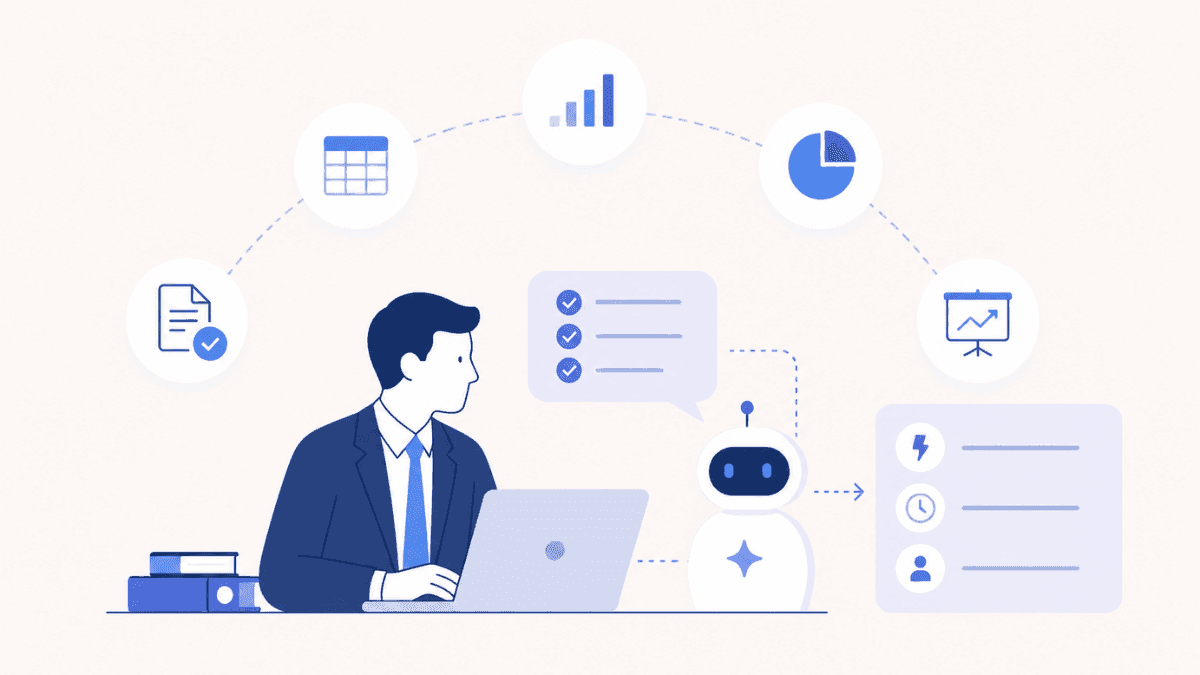
Every investment banking workflow has two layers. The layer that requires human judgment includes client relationships, strategic recommendations, deal structuring, and negotiation. And the layer that requires human hands but not necessarily human judgment: data extraction, document formatting, research compilation, first-draft production.
Investment banking workflow automation is specifically designed for the second layer. And in 2026, the firms that have separated the two clearly are generating returns that are measurable, specific, and compounding with each mandate they close.
Why Workflow Automation Is Different From General AI Adoption
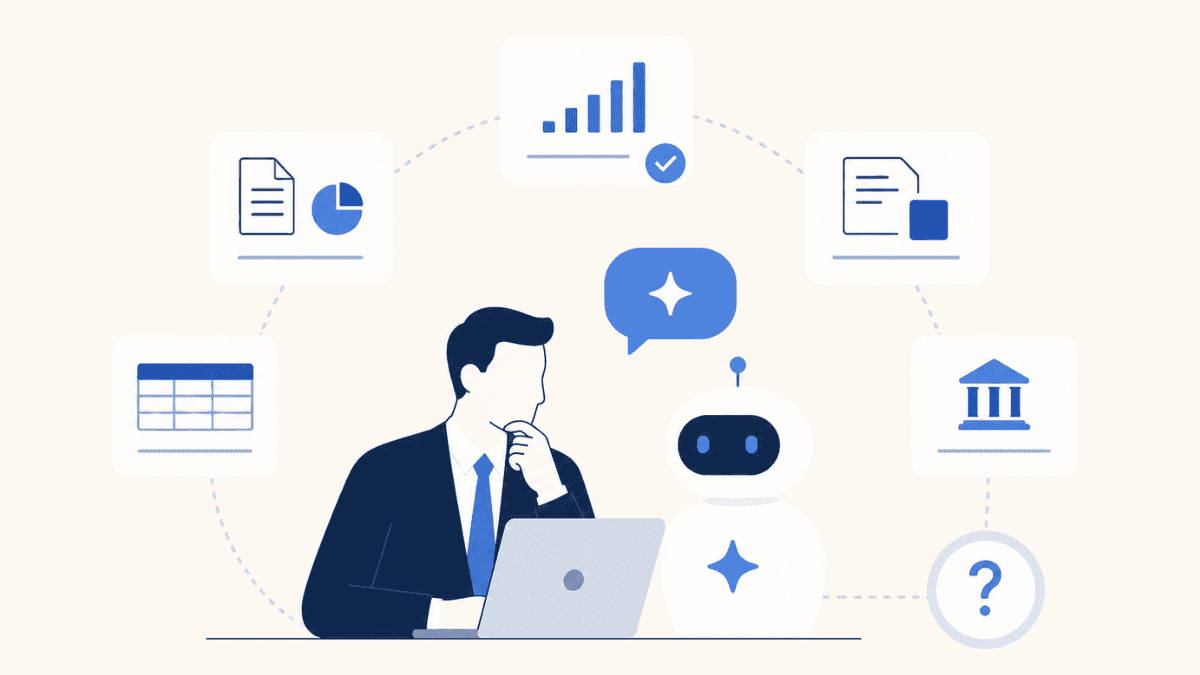
A common mistake in evaluating investment banking automation software is treating it as a single category. It is not. There is a meaningful difference between deploying AI to answer questions and deploying AI to execute workflows.
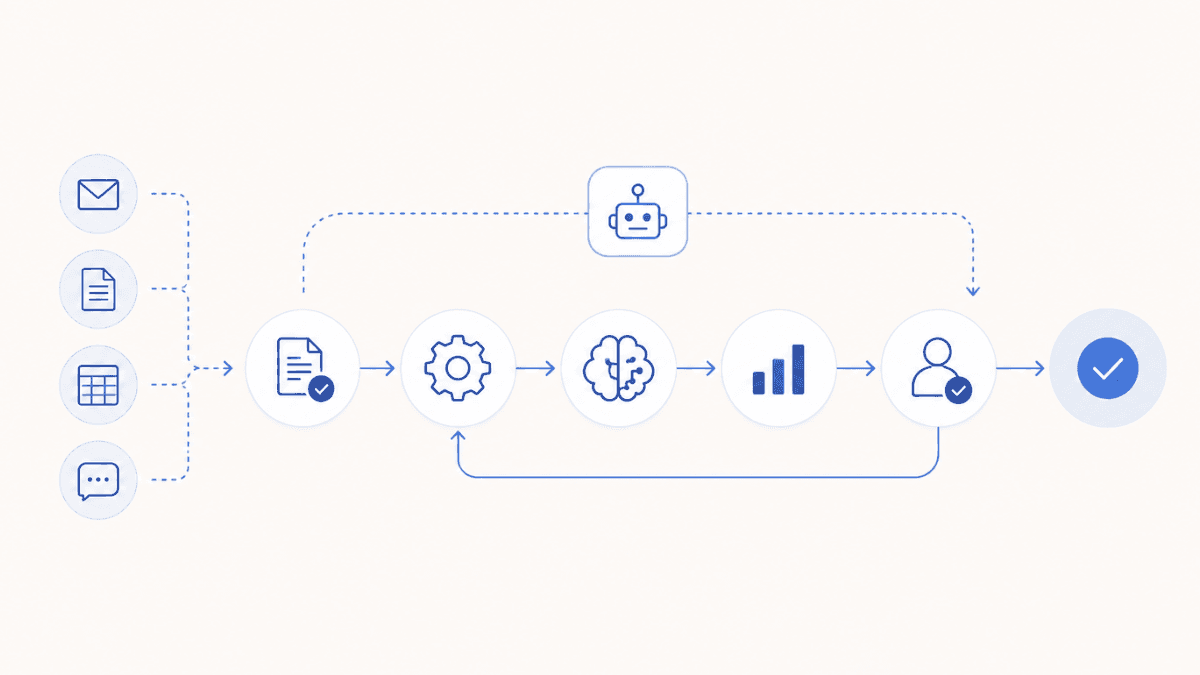
Question-answering AI returns information when prompted. Workflow automation AI executes end-to-end processes from research through analysis through deliverable generation, maintaining context across the full mandate and operating under defined approval checkpoints.
The distinction matters because the returns are different. Question-answering AI saves minutes. Investment banking process automation saves days.
The Five Workflows Where Automation Delivers Highest Return
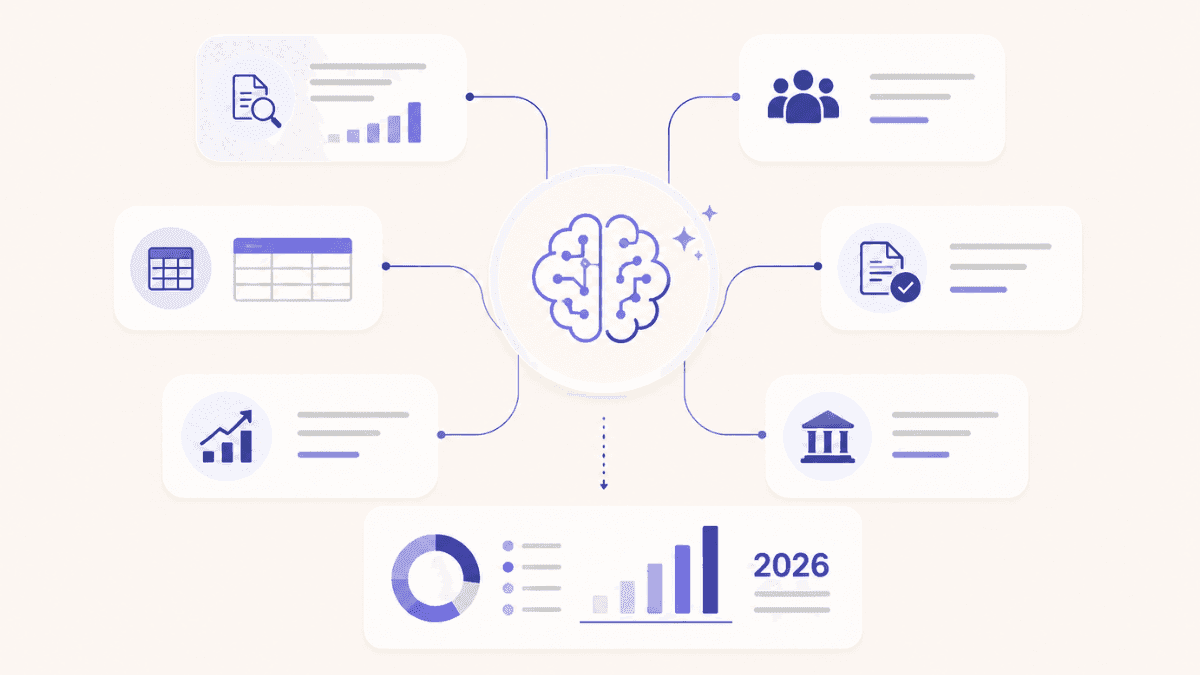
Research and document processing. AI ingests financial statements, filings, transcripts, and market data simultaneously, producing structured research outputs with citations. Coverage bankers stop spending time reading and start spending time deciding what the reading means for their clients.
Financial model population. Data extraction from source documents, framework population, scenario analysis across multiple assumption sets. Initial model outputs generated in hours rather than days, with every input traceable to its source for investment committee review.
Data room processing. Material provision extraction, clause benchmarking, risk flagging, cross-workstream correlation. Investment banking task automation at its most impactful: entire data rooms processed with consistent quality before the first all-hands diligence call.
Deliverable drafting. Investment memos, screening briefs, pitch book sections, IC presentations. First drafts produced from structured inputs, with senior banker review and approval before any output moves forward. The production bottleneck that consumed junior banker weeks disappears.
Pipeline and workflow coordination. NDA management, engagement letter workflows, document approvals, pipeline tracking. The operational coordination layer that consumes management bandwidth without generating analytical value, automated and tracked systematically.
What Implementation Actually Looks Like
Roughly 71% of bankers said improving the productivity of existing staff was the strategic goal behind their organization's AI investments, with automating key tasks or workflows close behind at 69%. The firms moving fastest share a common implementation approach.
They start with one workflow, not five. The highest-friction, highest-volume workflow that produces the clearest time savings becomes the proof of concept. Due diligence document review is the most common starting point because the volume is high, the manual process is well-understood, and the time savings are immediately visible.
They build governance before they scale. Human approval checkpoints, defined review processes, output auditability standards. The firms that ran fastest without governance frameworks are the ones generating the audit findings and regulatory questions that slow them down later.
They measure in deal-level terms, not platform-level terms. Hours saved per mandate. Memos produced per analyst per week. Data rooms processed per diligence cycle. The metrics that matter are the ones that connect directly to deal capacity and mandate quality.
The Compounding Effect
The 2026 picture is one of widening distance between the movers and everyone else. Investment banking workflow software that is embedded across multiple phases of the deal lifecycle compounds in a way that point solutions do not. Each mandate makes the system smarter. Each workflow integrated removes another bottleneck from the process.
The firms that started their deal workflow automation journey in 2024 and 2025 are now operating at a capacity level that firms starting today will take 12 to 18 months to reach.
Brexy's AI for Investment Banking covers the full investment banking workflow, research, due diligence, deal execution, and deliverable generation, inside a single finance-native platform built by former bankers.