What Is an AI Copilot for Investment Bankers and Do You Actually Need One?
An AI copilot for investment bankers is reshaping how deal teams work, Here is what it actually does, where it adds value, and what to look for before adopting one.
The term is everywhere in financial services conversations right now. AI copilot. AI assistant. AI deal partner. Every platform seems to claim it. Very few of them mean the same thing when they use it.
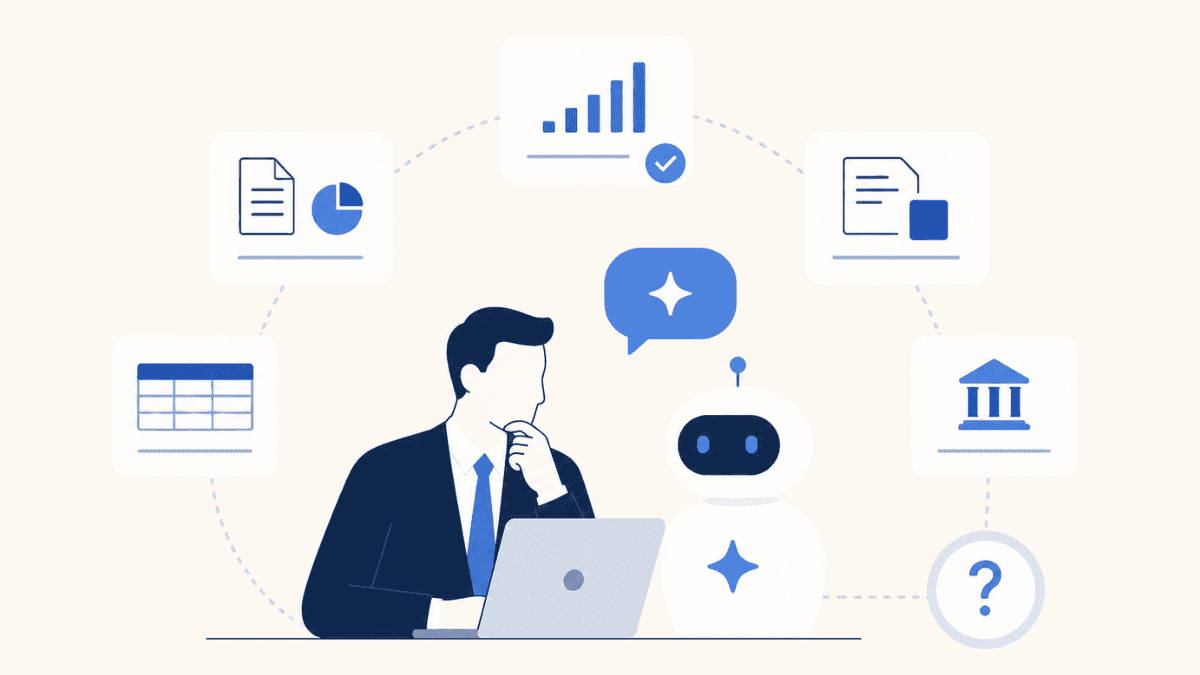
For investment bankers evaluating what to actually deploy on a live mandate, definitional clarity matters. A tool that functions as a true AI copilot for investment bankers is meaningfully different from a search bar with a language model on top of it. Understanding the difference is what separates useful adoption from expensive disappointment.
What an AI Copilot Actually Does
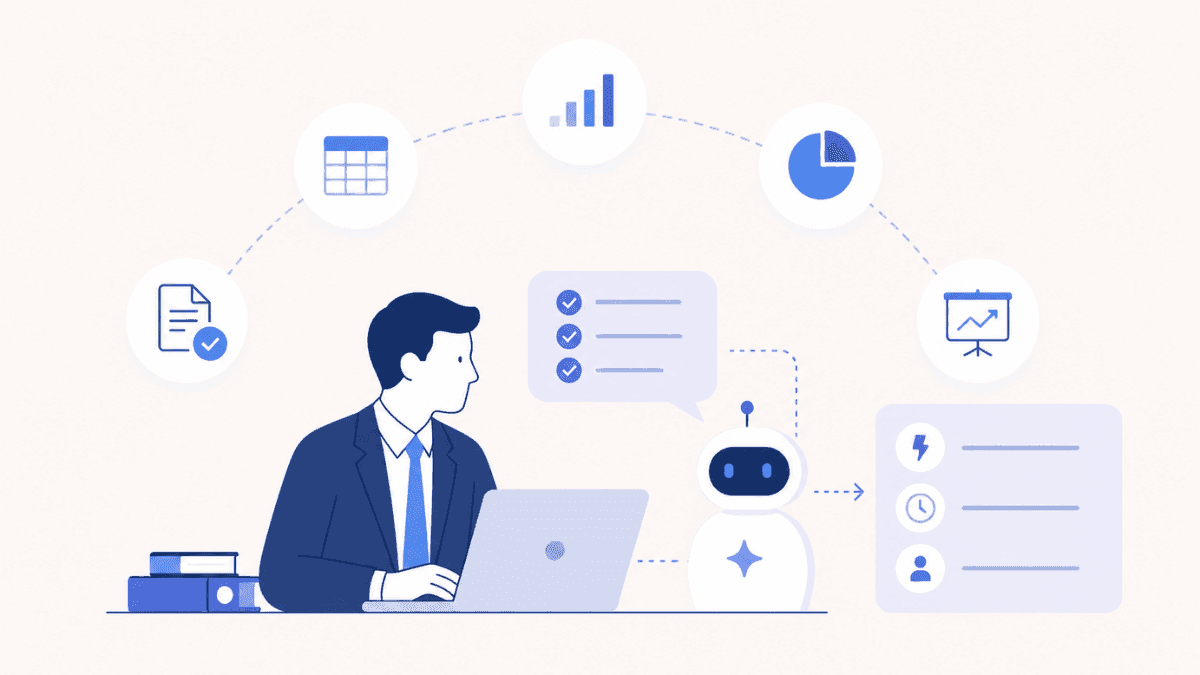
At its most basic, an AI assistant for investment bankers takes on the tasks that require intelligence but not the specific judgment of a senior banker. Reading, extraction, synthesis, first-draft generation, comparable identification, risk flagging.
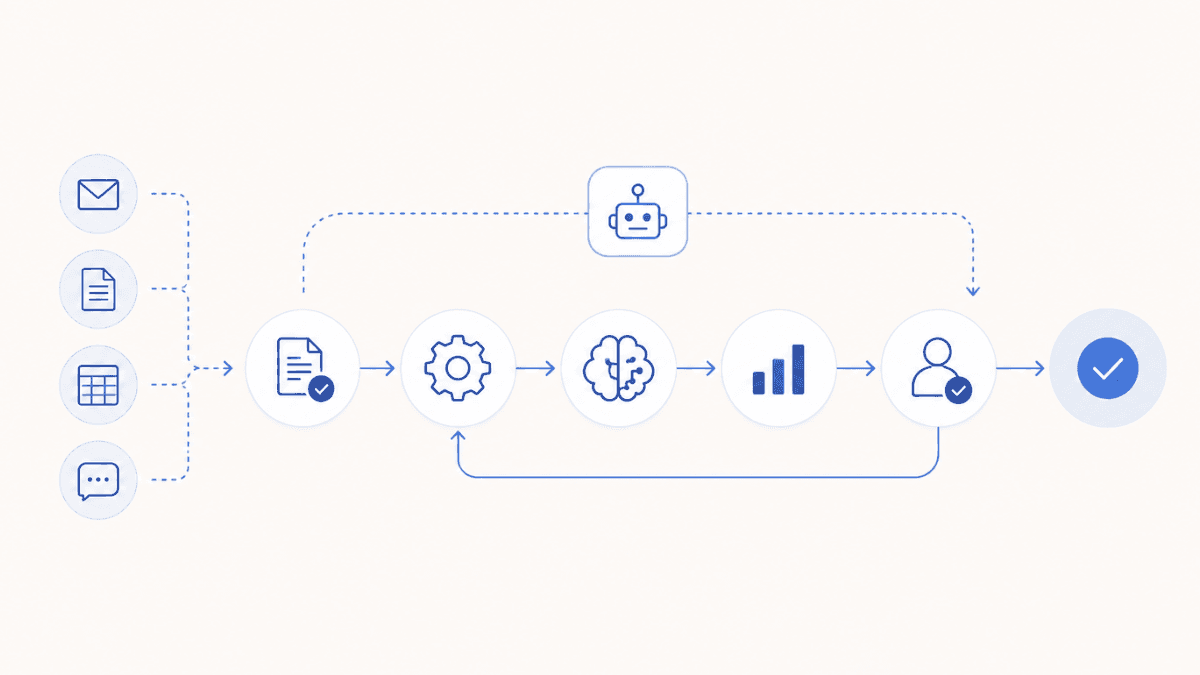
At a more sophisticated level, a true AI copilot understands deal context. It does not just retrieve information when asked. It operates across your specific mandate, connecting the research layer to the analysis layer to the deliverable layer, maintaining context across the full workflow rather than treating each query as isolated.
The practical difference is significant. A search-based AI tool answers questions. A deal-context AI copilot executes workflows. One saves minutes per query. The other saves days per mandate.
Where an AI Copilot Creates the Most Value for Bankers
Some banks are reporting brief-production time cut by over 90% in specific workflows. That compression is concentrated in four areas:
Research and document processing. Reading hundreds of pages of filings, earnings transcripts, and market reports to brief a senior banker before a client call. An investment banking AI assistant handles the reading layer, surfaces the relevant signals, and produces a structured brief ready for review.
Comparable company identification. Screening a defined universe, pulling multiples, normalizing data, and ranking candidates against deal-specific criteria. AI handles the mechanical process. The analyst handles the judgment on final selection and narrative framing.
Due diligence support. Processing data room documents, extracting material provisions, flagging deviations, and surfacing cross-workstream risk signals. The copilot reads everything. The deal team decides what the reading means.
Deliverable drafting. First-draft investment memos, screening briefs, company overviews, and IC presentations generated from structured inputs. The banker refines the narrative and approves before anything moves forward.
What to Look For Before Adopting One
Not every tool marketed as an AI copilot for investment bankers actually functions at the deal-context level. Three criteria separate the ones that hold up on live mandates from the ones that work in a demo.
Source traceability. Every output should carry full citation trails traceable to its source document. A finding without an auditable source is a liability in a professional context where outputs may be challenged at any point in the deal lifecycle.
Finance-native architecture. A copilot built by former bankers for banking workflows understands the difference between a change-of-control clause and a standard termination provision. A general-purpose tool adapted for finance does not, and the gap becomes visible under deadline pressure.
Human approval at every step. A true AI copilot operates under banker approval, not instead of it. Every output should require explicit sign-off before it reaches an investment committee, a counterparty, or a client.
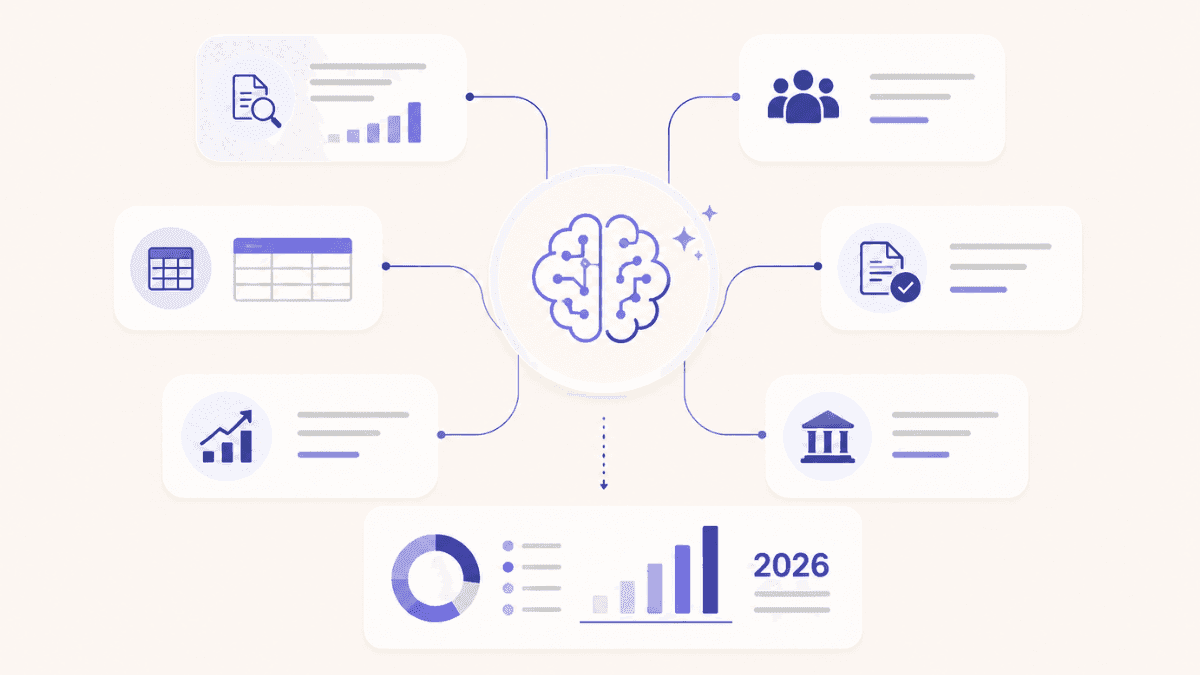
By the end of 2026, the banking sector's level of AI and GenAI investment is estimated to reach $53 billion, growing at 30% annually. The firms deploying that capital well are the ones that defined clearly what they needed before choosing what to deploy.
Brexy's AI for Investment Banking was built specifically as a finance-native deal partner, covering research, due diligence, deal execution, and deliverable generation under banker approval inside a single platform.