Generative AI in Investment Banking: Real Use Cases
Explore real-world generative AI use cases in investment banking, from research and due diligence to deal documents, comps analysis, and pitch books in 2026.
A few years ago, generative AI in investment banking was mostly an experiment.
Today, it's becoming part of everyday deal execution.
Investment banks are no longer asking whether AI belongs in their workflows. They're asking where it creates the biggest advantage and how quickly they can scale it across their teams.
The numbers reflect that shift.
While only 8% of banks had systematically developed Generative AI capabilities in 2024, the majority were already experimenting with the technology. By 2026, many leading firms have moved beyond pilot projects, integrating generative AI for investment banking into research, due diligence, financial analysis, and document creation.
So, where is AI creating measurable value today?
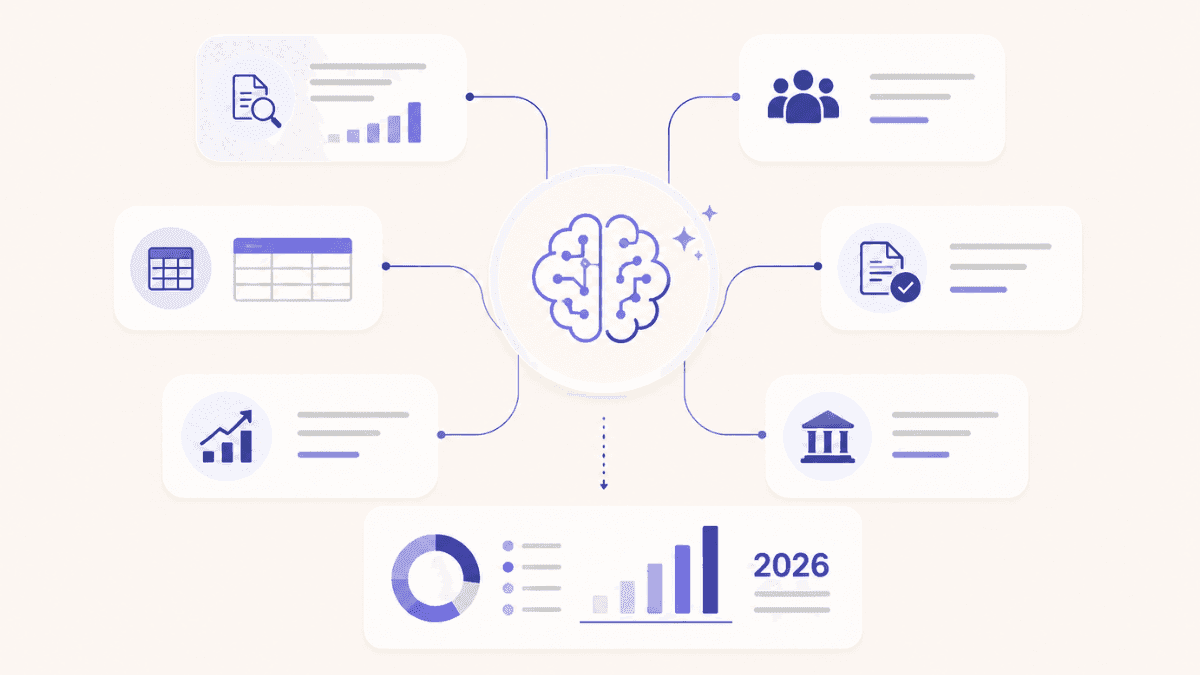
Let's explore the five use cases that are transforming how modern deal teams work.
1. Investment Memos and Deal Documents Are Created Faster
Preparing investment memos, company profiles, investment committee papers, and screening reports has traditionally required hours of manual effort.
Analysts gather information from multiple sources, organize findings, write summaries, and repeatedly revise documents as new information becomes available.
Now, generative AI investment banking use cases are changing that process.
AI can combine financial data, research findings, and deal-specific information into well-structured first drafts within minutes.
Rather than spending an entire day building a document from scratch, bankers begin with a solid foundation and focus on refining the investment thesis.
The result is faster document production without sacrificing human oversight.
2. Research That Once Took Hours Now Takes Minutes
Every transaction begins with research.
Earnings calls, SEC filings, annual reports, analyst commentary, market news, and industry trends all contribute to better decision-making.
The challenge isn't finding information.
It's finding the right information quickly.
Modern generative AI for investment banking can analyze hundreds of documents simultaneously, identify the most relevant insights, summarize complex reports, and organize findings into concise research briefs.
Instead of spending hours reading, bankers spend their time interpreting the information and making better decisions.
3. Due Diligence Has Become More Efficient
Few stages of a transaction demand as much attention to detail as due diligence.
Thousands of legal contracts, compliance documents, financial records, and operational reports must be reviewed under tight deadlines.
Missing one important clause can create significant downstream risk.
Today's AI systems help by identifying unusual contract language, extracting key obligations, highlighting inconsistencies, and generating structured findings for review.
Instead of manually searching through every document, deal teams can focus on investigating the issues that truly matter.
4. Comparable Company Analysis Is Smarter
Finding the right comparable companies isn't just about pulling financial multiples.
It involves screening large datasets, evaluating business models, understanding market positioning, and selecting peers that genuinely support a valuation.
This process can take analysts several hours, especially during active deals.
With AI-powered investment banking solutions, much of the repetitive work is automated.
AI can identify potential peers, collect financial metrics, organize valuation data, and rank comparable companies based on predefined criteria.
Analysts remain responsible for the final selection, but they no longer have to perform every manual step themselves.
5. Pitch Books Come Together Much Faster
Anyone who has worked in investment banking knows that creating a pitch book involves far more than writing content.
Charts need updating.
Financial data changes.
Slides require formatting.
Comments from senior bankers arrive at the last minute.
The process often consumes an entire week.
Modern investment banking AI software reduces much of that workload by generating presentation drafts, updating financial information, formatting slides according to firm templates, and preparing materials for review.
Instead of spending late nights fixing layouts, bankers can focus on building stronger client narratives.
What Do All These Use Cases Have in Common?
Despite the variety of applications, every successful implementation follows the same principle.
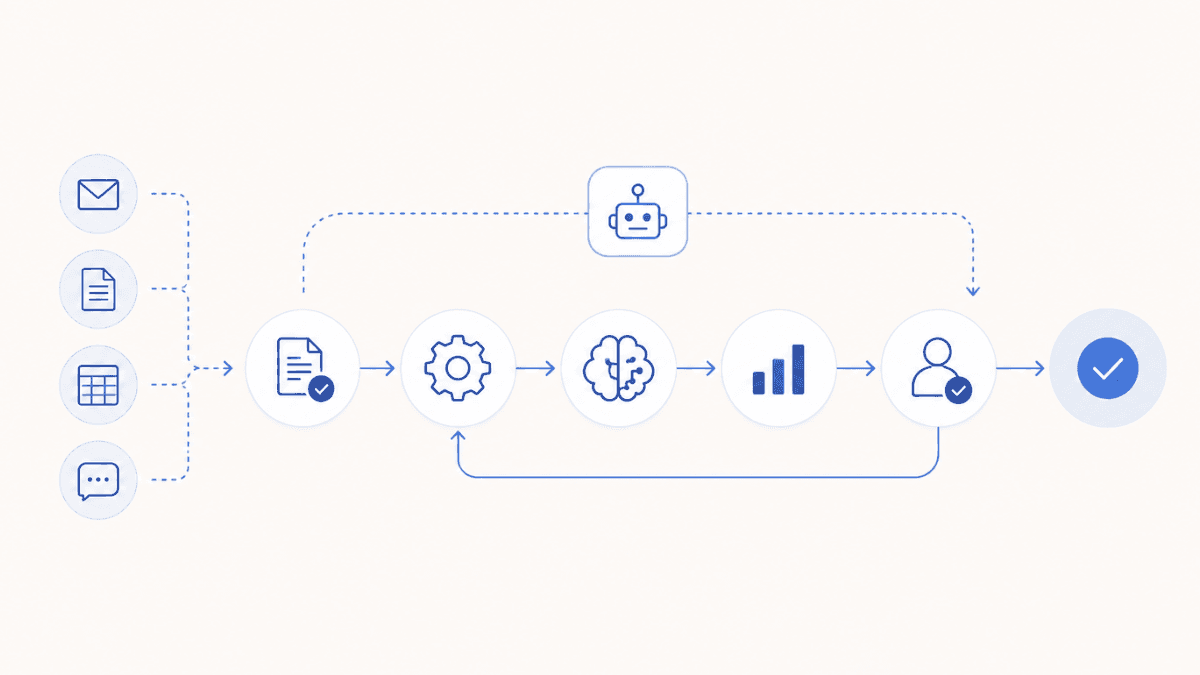
AI handles repetitive, information-heavy tasks.
Bankers provide judgment.
That balance is exactly why adoption is accelerating.
According to Deloitte, the world's largest investment banks could achieve 27% to 35% front-office productivity improvements through Generative AI, with document creation, research, and due diligence among the highest-impact workflows.
The technology isn't replacing investment bankers.
It's allowing them to spend more time where their expertise creates the greatest value.
The Future of Generative AI in Investment Banking
Generative AI is no longer a future trend.
It's becoming part of how investment banking firms research opportunities, prepare analyses, manage transactions, and deliver work to clients.
As adoption grows, the biggest competitive advantage won't come from simply using AI.
It will come from integrating it into the workflows that consume the most time while keeping experienced bankers firmly in control of every important decision.
Platforms like Brexy's AI for Investment Banking bring these capabilities together in one finance-focused environment, helping deal teams streamline research, automate documentation, accelerate due diligence, and execute transactions more efficiently without compromising quality.