Investment Banking Automation: 5 Workflows That AI Is Transforming in 2026
Discover the 5 investment banking workflows AI is automating in 2026 — from document review to deal execution and what it means for deal teams.
Investment banking has never been short on talent. It's been short on time.
Analysts still spend countless hours reviewing documents, updating financial models, creating pitch books, and searching through thousands of files before a single deal moves forward. These tasks are essential, but they're also repetitive, time-consuming, and leave less room for strategic thinking.
That is exactly why investment banking automation has become one of the industry's biggest priorities in 2026.
According to American Banker's 2026 AI Talent Shift survey, 71% of banking professionals said improving employee productivity is the primary reason their firms are investing in AI. The goal isn't to replace bankers. It's to eliminate repetitive work so deal teams can focus on analysis, client relationships, and execution.
Let's look at the five workflows where AI is making the biggest impact.
1. Document Review No Longer Takes Days
Every investment banking deal begins with documents.
Financial statements, legal contracts, compliance reports, CIMs, data room files, and regulatory filings all need to be reviewed before any meaningful analysis can begin.
Traditionally, analysts spent hours reading these documents line by line, extracting key information into spreadsheets or presentations.
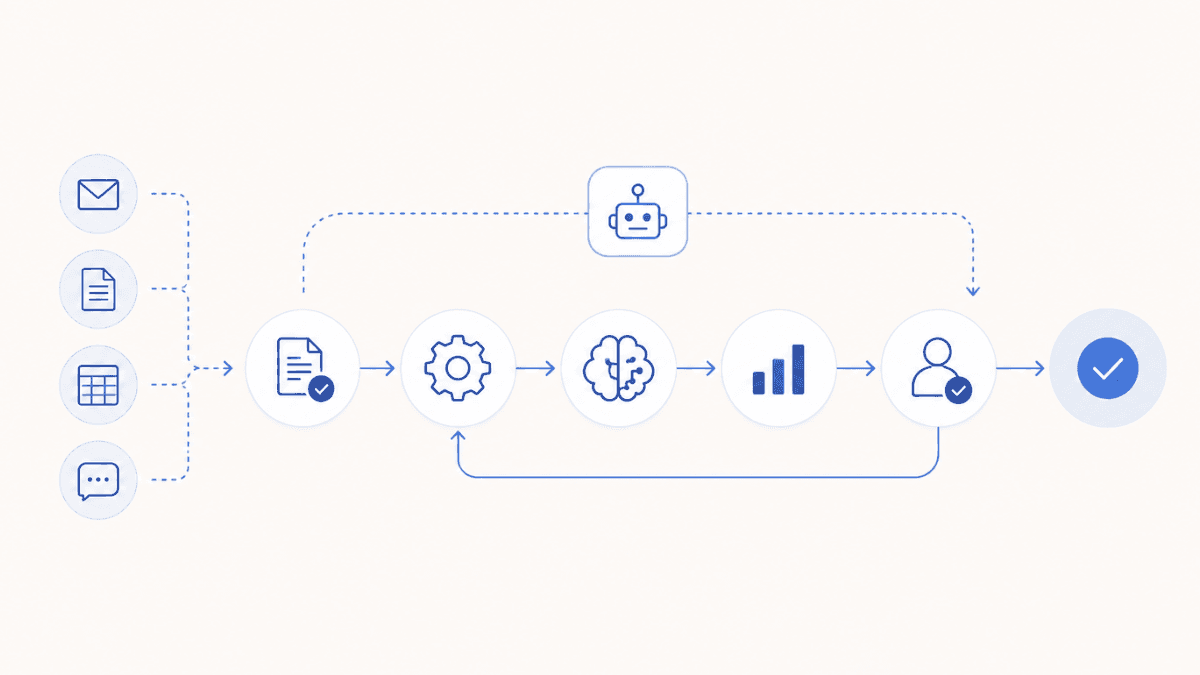
Today, investment banking workflow automation can scan thousands of pages in minutes.
Modern AI systems identify important clauses, summarize lengthy reports, extract financial metrics, and even link every insight back to its original source for verification.
Instead of spending two days collecting information, bankers can spend those two days evaluating what the information actually means.
2. Financial Models Are Built Faster
Building a financial model has never been just about Excel.
Most of the time goes into finding numbers, validating assumptions, cleaning data, and manually populating spreadsheets.
This is where investment banking productivity software creates immediate value.
AI can automatically pull financial data from reports, populate model templates, compare historical performance, and generate initial valuation scenarios.
Bankers still review every assumption and make the final judgment, but they no longer start from a blank spreadsheet.
That means faster turnaround without compromising accuracy.
3. Pitch Books Become Less About Formatting
Anyone who has worked in investment banking knows how much time disappears into PowerPoint.
Formatting slides, updating company profiles, changing charts, fixing fonts, and incorporating last-minute comments often consume more time than developing the actual investment story.
With investment banking document automation, much of that repetitive work can now be automated.
AI drafts presentation sections, updates financial data, formats slides according to firm templates, and prepares the first version of client materials.
Analysts can then focus on refining the narrative instead of adjusting layouts until midnight.
4. Due Diligence Moves Much Faster
Due diligence often determines how quickly a transaction progresses.
A single virtual data room may contain thousands of documents spread across finance, legal, operations, HR, and compliance.
Reviewing everything manually isn't just slow, it also increases the chance of missing important details.
Modern AI tools for investment bankers can classify documents, identify unusual contract terms, flag potential risks, and highlight inconsistencies across multiple files simultaneously.
Instead of searching for problems, deal teams receive a prioritized list of issues that deserve immediate attention.
This significantly reduces review time while improving consistency across transactions.
5. Research Happens in Minutes, Not Hours
Markets move quickly, but research doesn't always keep pace.
Investment bankers monitor earnings calls, industry reports, SEC filings, economic updates, analyst research, and breaking news every day.
Reading everything is nearly impossible.
AI research assistants now collect information from multiple sources, summarize the most relevant insights, identify emerging trends, and organize findings into structured reports.
Instead of spending hours searching for information, bankers begin the day with the insights they actually need.
Why This Matters More Than Ever
Automation isn't changing investment banking because it can replace expertise.
It's changing investment banking because it removes the repetitive work that prevents experts from applying that expertise.
Research from Goldman Sachs suggests AI could automate nearly 25% of current banking work, while Deloitte estimates 27-35% productivity gains across front-office functions as AI adoption continues to grow.
The firms seeing the greatest returns aren't necessarily using the most AI tools.
They're automating the workflows that consume the most time first.
The Future of Investment Banking Automation
As deal volumes increase and clients expect faster execution, automation is becoming less of a competitive advantage and more of a business necessity.
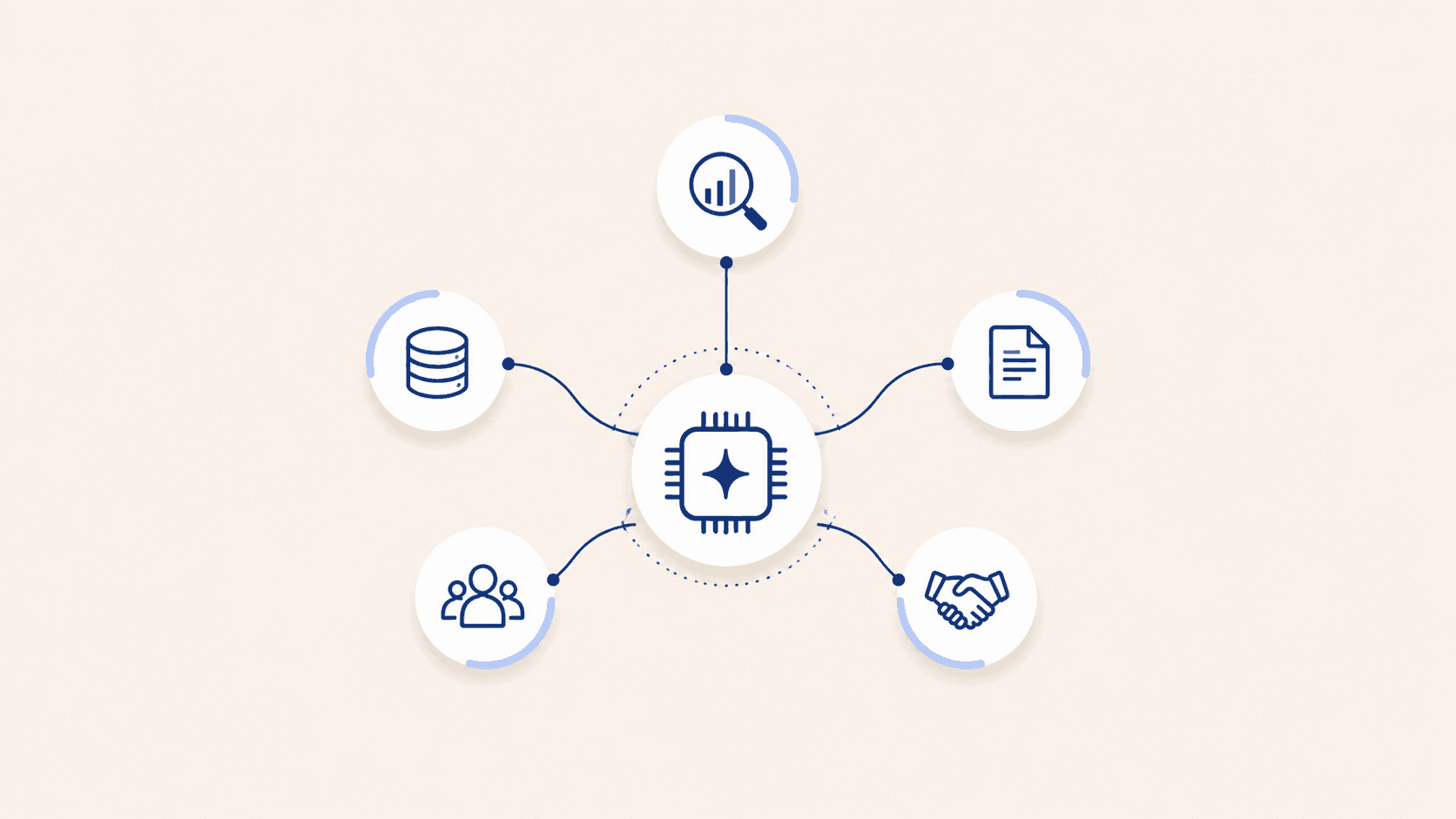
The most successful firms are building AI into their everyday workflows, from document intelligence and financial modeling to research, due diligence, and presentation creation.
Platforms built specifically for investment banking, such as Brexy, bring these capabilities together in one finance-focused environment, helping teams accelerate deal execution while keeping bankers firmly in control of every decision.
If you're exploring how AI fits into modern deal-making, these five workflows are the best place to start.