AI in Investment Banking: How Top Banks Are Adopting It
Explore how AI in investment banking is reshaping deal-making, research, and client service, and why top global banks are investing heavily in AI.
For decades, the hierarchy of investment banking was simple. The biggest banks won because they had the most people, the deepest relationships, and the longest track record. Talent and scale were the moat.
That moat is being redrawn. And the tool doing the redrawing is AI.
The world's largest investment banks are not experimenting with AI anymore. They are embedding it into the core of how they operate, how they research, how they execute deals, and how they serve clients. The question is no longer whether to adopt AI in investment banking. It is how fast, and how deep.
What the Numbers Say First
Before getting into who is doing what, the scale of this shift deserves context.
McKinsey estimates generative AI could create $200 to $340 billion in annual value for global banking through productivity gains and automation. Deloitte projects 27 to 35% productivity gains in front-office investment banking activities through AI-assisted workflows. And McKinsey's 2026 Global Banking Annual Review reports banking revenues reached $6.4 trillion in 2025, with AI identified as one of the central forces reshaping how competitive advantage is built.
These are not projections about what might happen. They describe what is already in motion.
How the Biggest Banks Are Moving
JPMorgan Chase has deployed AI across document analysis, investment research, risk management, and operational workflows. The objective is direct: help employees process large volumes of financial information more efficiently, so human judgment is applied to interpretation rather than extraction. JPMorgan's internal AI tools are now used by tens of thousands of employees across the firm.
Goldman Sachs has been equally deliberate. The firm has stated publicly that the next major wave of value creation will come from applying AI to real-world industries. Internally, Goldman is using AI to improve investment banking operations, accelerate research workflows, and enhance client service. Their investment in AI infrastructure is not a side project. It is a firm-wide strategic priority.
Morgan Stanley has deployed AI tools that help identify strategic acquisition targets for clients and reallocate capital more effectively across M&A mandates. Their AI assistant, built on OpenAI technology, is used by financial advisors to surface research and insights in real time during client conversations.
What Is Actually Changing on the Ground
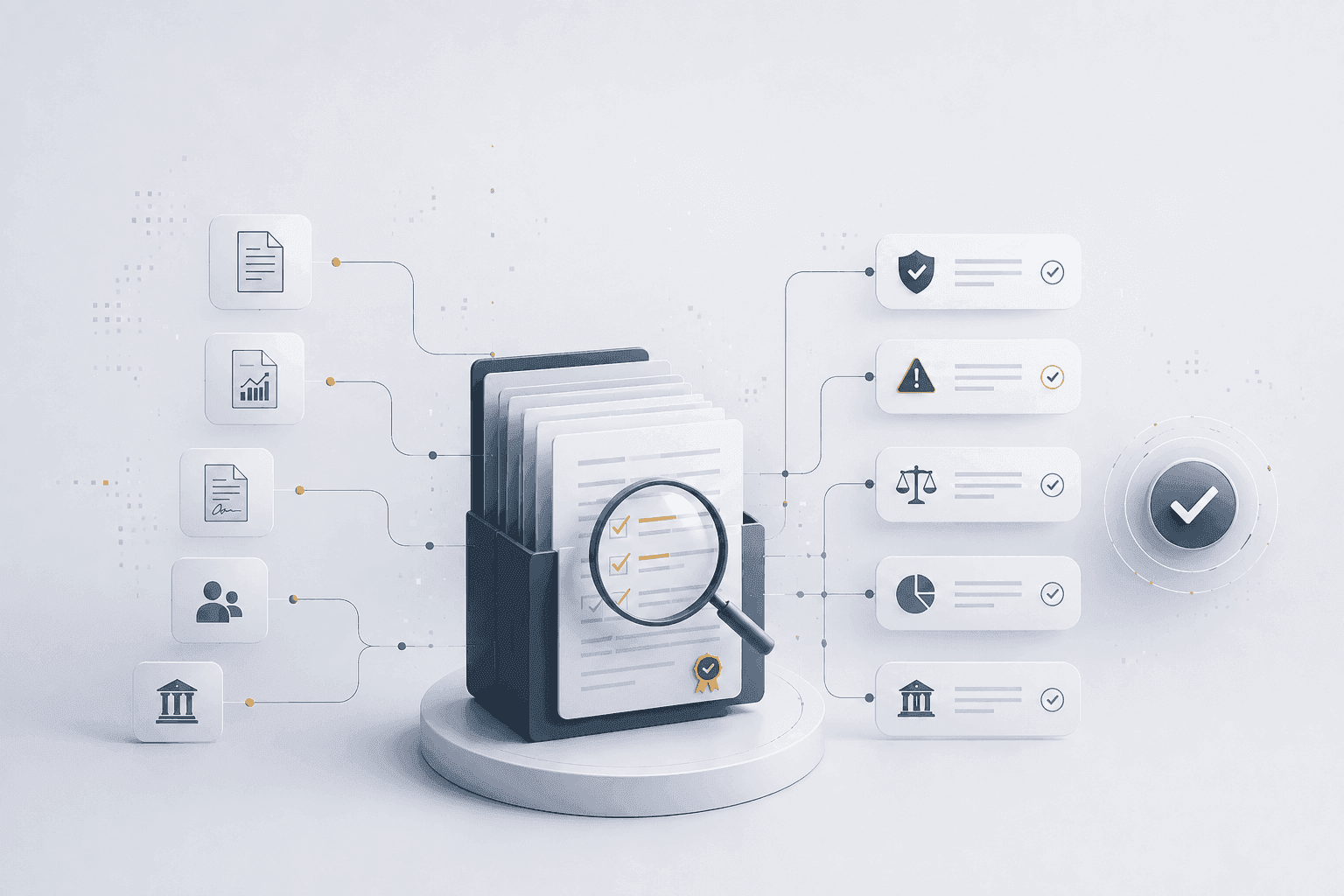
Across these firms and others, the adoption follows a clear pattern. AI is being applied first to the workflows that are most document-intensive, most repetitive, and most time-consuming: research synthesis, due diligence review, pitch book production, financial data extraction, and compliance screening.
The result is a reallocation of analyst time from mechanical tasks to strategic ones. Junior bankers spend less time formatting and more time thinking. Senior bankers get better information faster and can serve more clients simultaneously.
Where Brexy Fits
For firms that want this capability without building it from scratch, platforms like brexy.ai deliver AI investment banking infrastructure purpose-built for deal teams. Evaluate 5x more deals. Produce investment memos in under two minutes. All with institutional-grade outputs that are auditable from the first draft.
The top banks have made their move. The rest of the market is deciding how fast to follow.