AI Financial Research: How Deal Teams Are Turning Days of Analysis Into Hours
Discover how AI financial research helps investment banks analyze reports, filings, and market data in minutes instead of days.
Before any deal moves forward, someone has to do the reading.
Annual reports. SEC filings. Earnings transcripts. Investor presentations. Industry reports. Regulatory disclosures. In a standard M&A process, a coverage banker might need to process hundreds of documents before a single slide is written or a single model is built.
That reading load has always been the invisible constraint on how many opportunities a deal team can pursue simultaneously. AI financial research is removing that constraint.
Why Financial Research Slows Deals
The problem is not that research is difficult. It is that it is voluminous.
A single public company generates thousands of pages of disclosure every year across its annual report, quarterly filings, earnings call transcripts, investor presentations, and regulatory submissions. A competitive analysis across ten comparable companies multiplies that by ten. Add industry reports, macro data, and news flow and a coverage banker is looking at a research task that could consume days before the analytical work even begins.
Under compressed deal timelines, that volume creates a forced choice:
Do less research.
Extend the timeline.
Neither option is acceptable in a competitive situation.
Documents Investment Banks Analyze
The research workload in investment banking spans several document categories simultaneously.
1. SEC Filings
Including 10-K annual reports, 10-Q quarterly reports, 8-K current reports, and proxy statements contain the foundational financial data and risk disclosures that underpin every valuation.
2. Annual Reports and Investor Presentations
Provide management's narrative on business performance, strategic priorities, and market positioning.
3. Earnings Transcripts
Surface forward-looking commentary, analyst questions, and management guidance that is rarely captured in structured financial data.
4. Market and Industry Reports
Provide the sector context that frames every transaction, from total addressable market sizing to competitive dynamics and regulatory environment.
How AI Speeds Financial Research
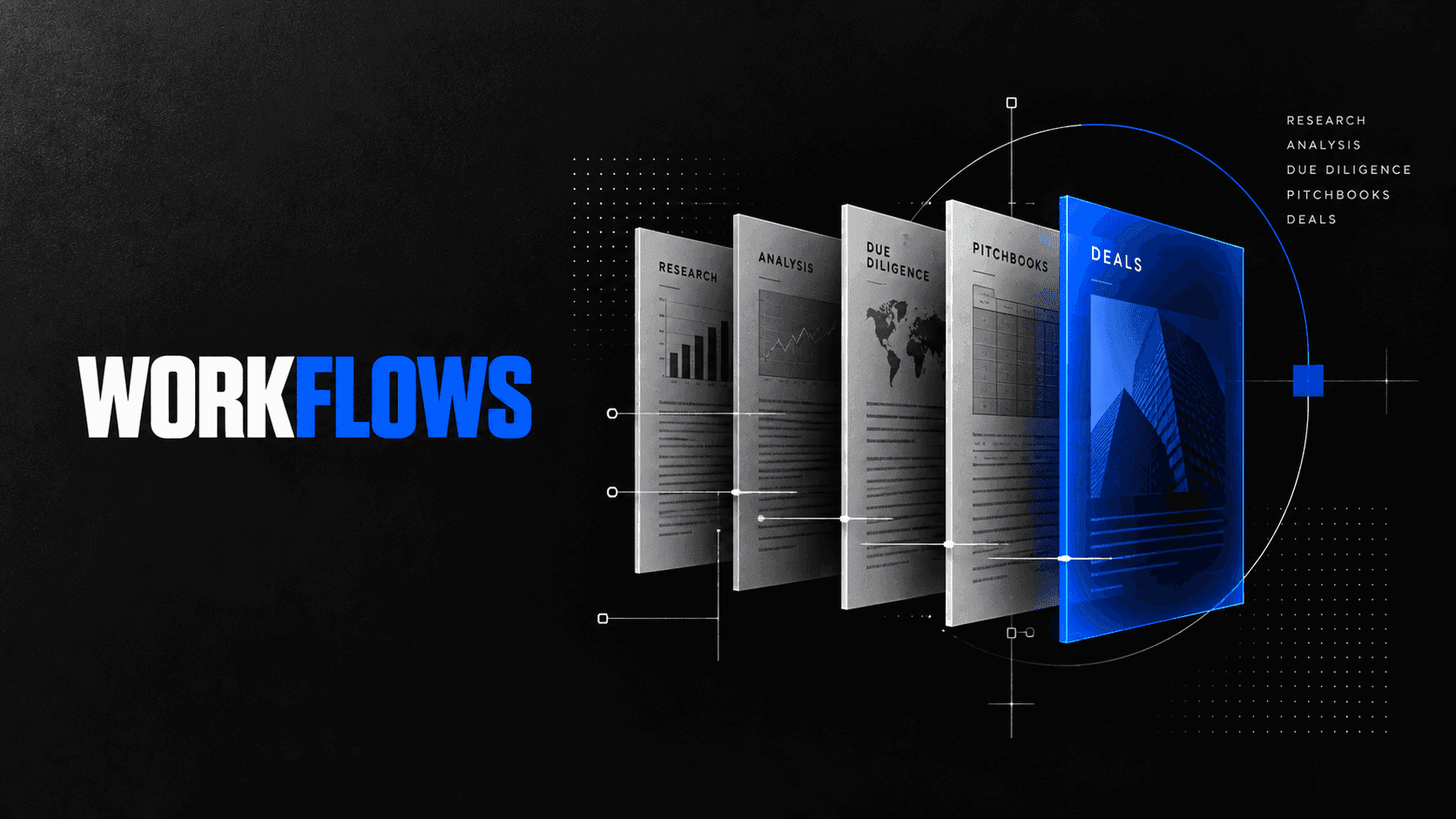
Financial research automation works by applying large language models to the extraction, synthesis, and structuring of information across document sets that would take a human analyst days to process.
AI systems ingest entire document libraries simultaneously. They extract key financial metrics, identify relevant disclosures, surface management commentary on specific topics, and produce structured research outputs with full citations traceable to source documents. A question that previously required an analyst to read through 200 pages of filings can be answered in seconds.
The analyst's role shifts from reading to interpreting. Instead of spending the first three days of a mandate gathering information, they spend those days making decisions about what the information means.
Key Features to Look For in AI Financial Research Tools
1. Source Citation
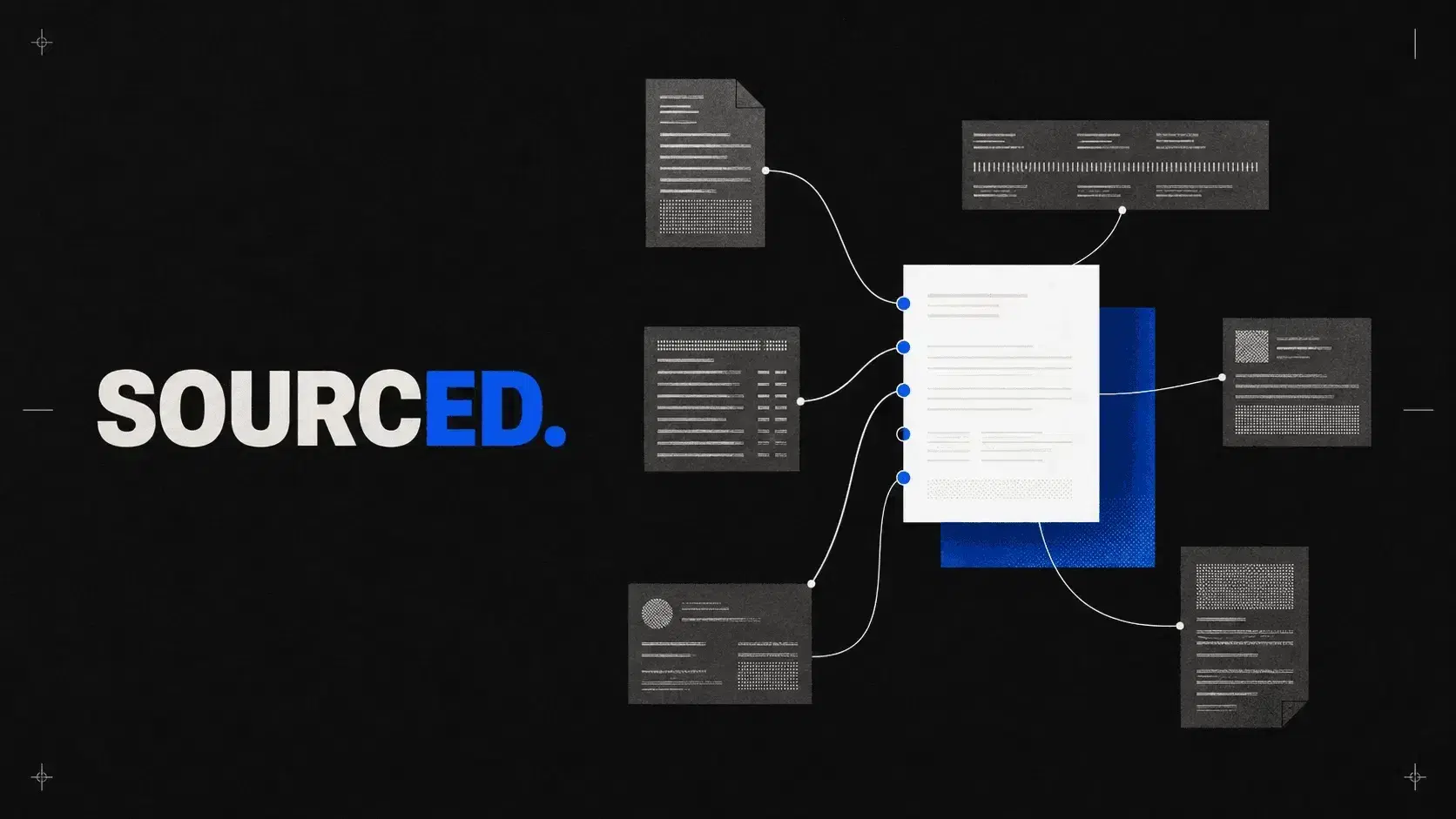
Source citation is the most critical feature. Any AI research tool that produces outputs without traceable citations is nearly unusable in a professional context where every finding may be challenged. The source must be identifiable to the specific document, page, and passage.
2. Multi-Document Reasoning
Multi-document reasoning separates basic search tools from genuine research platforms. The ability to answer a question by synthesizing information across hundreds of documents simultaneously is what creates real research acceleration.
3. Integration with Financial Data Sources
Integration with financial data sources ensures the AI is working from the same data infrastructure the team already relies on:
Bloomberg
FactSet
Capital IQ
PitchBook
SEC filings
How Brexy Automates Financial Research
Brexy's AI document analysis capability reasons across 1,000-plus documents simultaneously, pulling comparables, synthesizing market intelligence, and drafting research outputs with full citation trails. Initial research outputs are produced within hours of data room access rather than days, compressing the timeline from mandate to first analytical draft.
Every output is auditable from the first version. No finding reaches the team without a traceable source. And every workflow operates under banker approval at every step.
Frequently asked questions
How does AI financial research handle source accuracy?
Every Brexy research output carries full citation trails traceable to the exact source document, page, and passage. Human approval is required before any finding moves forward.
What types of documents can AI financial research analyze?
SEC filings, annual reports, earnings transcripts, investor presentations, industry reports, regulatory disclosures, and any document ingested through Brexy's 30-plus live integrations.
How much time does AI financial research save?
Teams using Brexy save 20-plus hours on initial research and memo production, with investment memos produced in under two minutes.
Is AI financial research suitable for cross-border transactions?
Yes. Brexy integrates with international filings sources and supports research across global markets.
Does AI replace the research analyst?
No. AI handles the reading, extraction, and synthesis layer. Analysts handle the judgment, interpretation, and strategic application of research findings.